1st International Conference on
Education for Sustainable Development:
Theories and Practices
(ESDTP)
“Education for Sustainable Development:
Theories and Practices (ESDTP)”

🗓️ February 25–27, 2027 |
📌 Hanoi, Vietnam
The International Conference on Education for Sustainable Development: Theories and Practices invites scholars, educators, policymakers, and practitioners to engage in critical and interdisciplinary dialogue on advancing sustainability through education.
About the Conference
Conference Overview
The International Conference on Education for Sustainable Development: Theories and Practices invites scholars, educators, policymakers, and practitioners to engage in critical and interdisciplinary dialogue on advancing sustainability through education. Anchored in the United Nations Sustainable Development Goals (SDGs), particularly SDG 4 (Quality Education), this conference seeks to bridge theory, practice, and impact in Education for Sustainable Development (ESD).
Building on recent scholarly work, the conference responds to the growing need to move beyond conceptual discussions toward evidence-based, context-responsive, and scalable practices. It highlights the integration of perspectives from education, the humanities, and the social sciences, recognizing that sustainability is not only a technical challenge but also a cultural, ethical, and socio-political endeavor.
We welcome contributions that explore how ESD contributes to broader SDG outcomes, including climate action, social equity, responsible consumption, and sustainable communities. The conference will provide a platform for sharing innovative research, pedagogical practices, policy insights, and community-based initiatives.
Conference Themes
Submissions are invited on, but not limited to, the following themes:
- Theoretical Frameworks and Conceptual Advances in ESD and SDGs
- Curriculum and Pedagogy for Sustainability Learning
- Digital Technologies and AI in Sustainability Education
- Teacher Education and Professional Development for ESD
- Community-Engaged, Indigenous, and Place-Based Learning
- Policy, Governance, and Systemic Transformation
- Equity, Ethics, Power, and Inclusion in Sustainability Education
- Assessment, Evaluation, and Impact Measurement in ESD
Important Dates
1st International Conference on Education for Sustainable Development: Theories and Practices (ESDTP)
Theories and Practices (ESDTP)
Days before the Conference
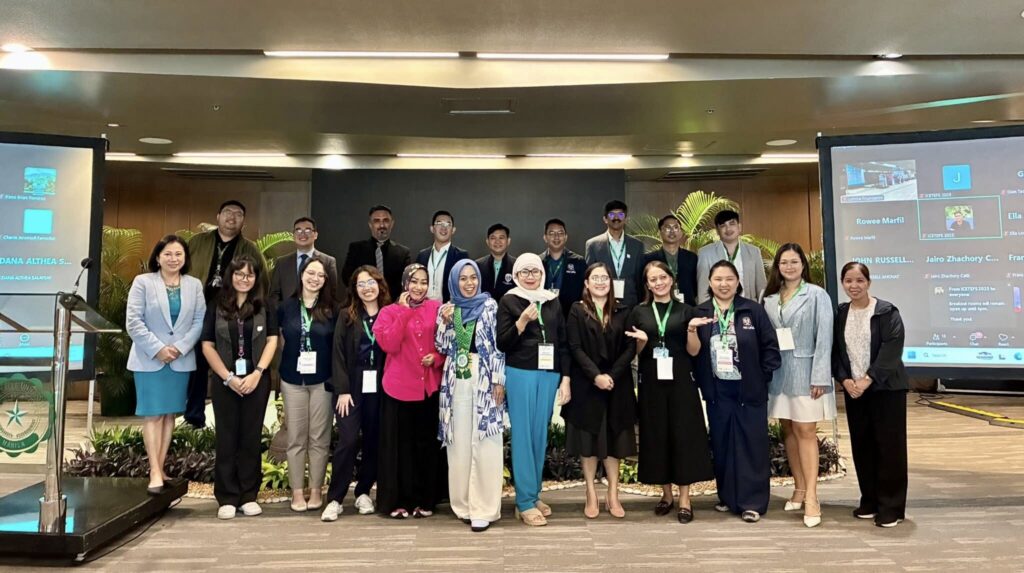
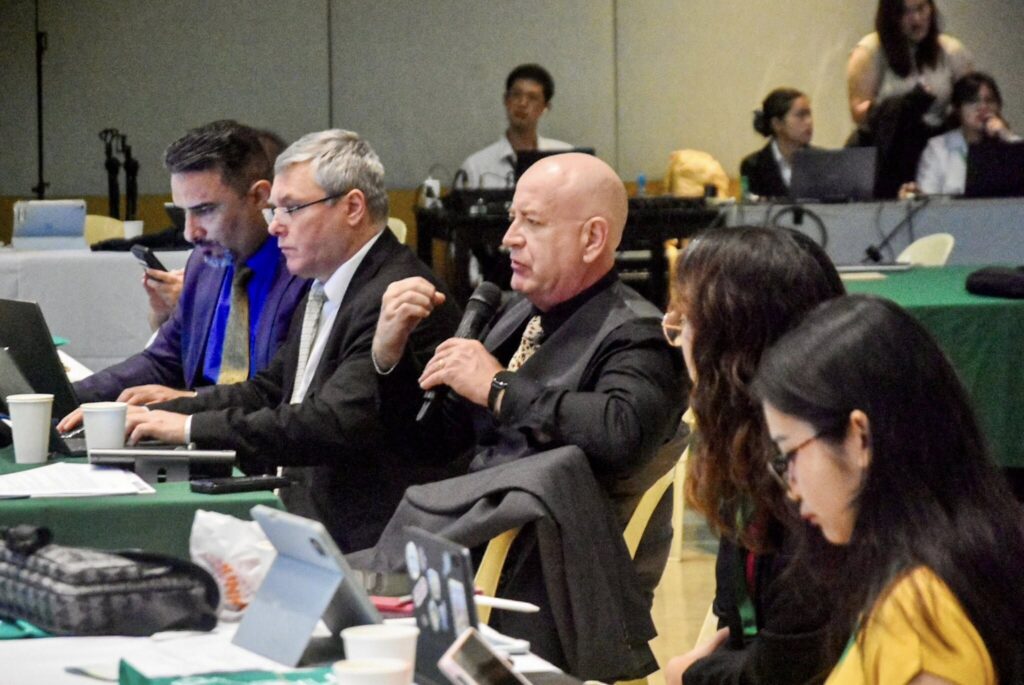
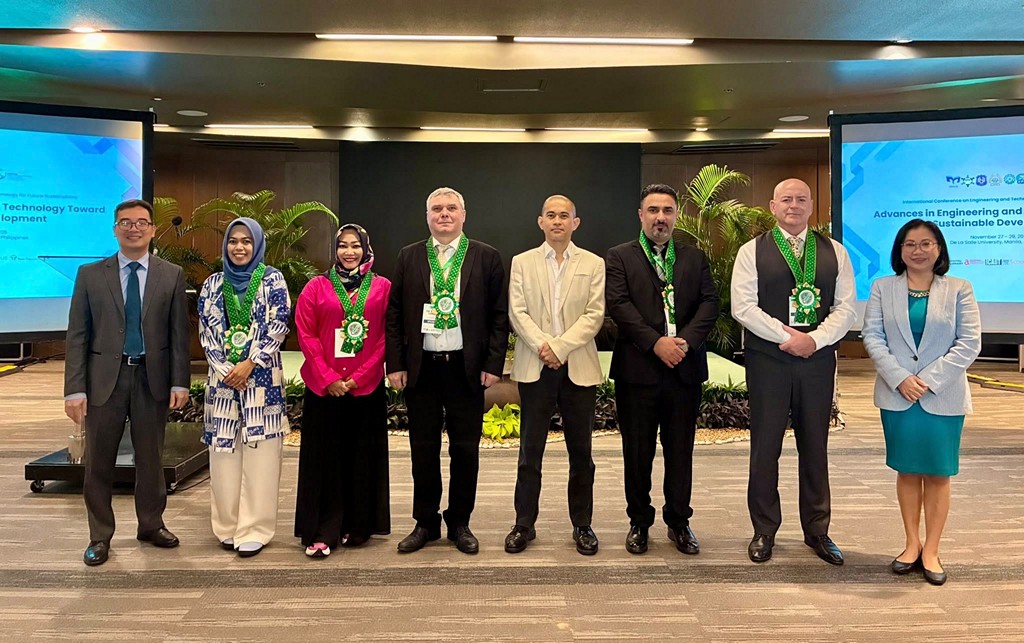
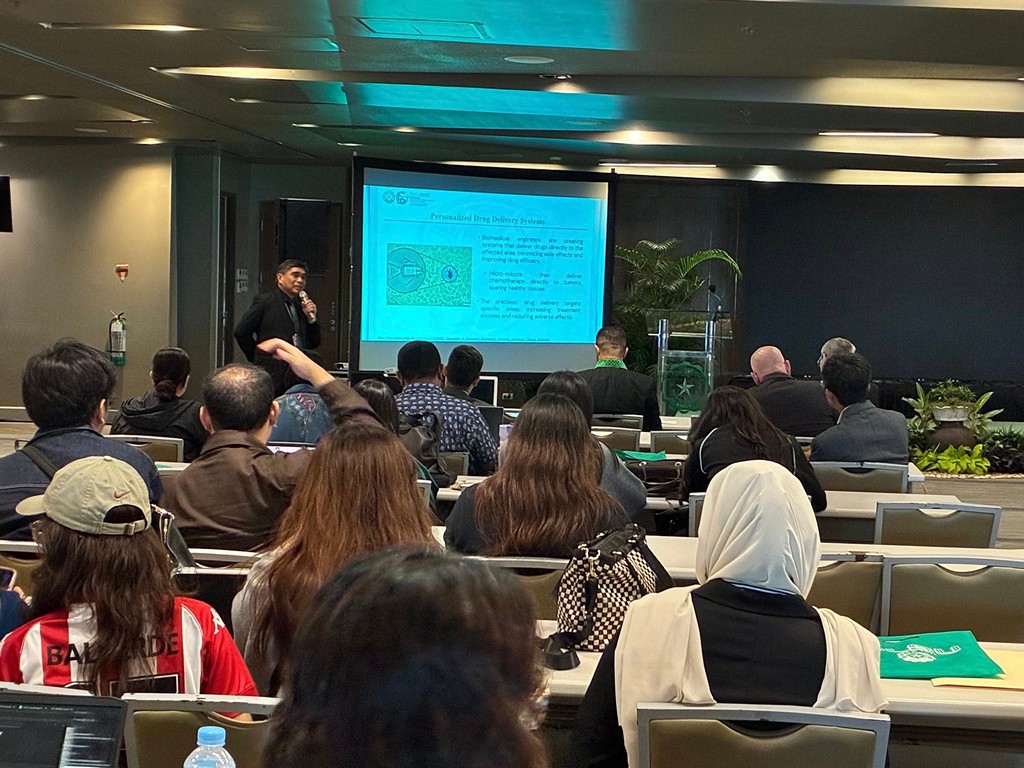
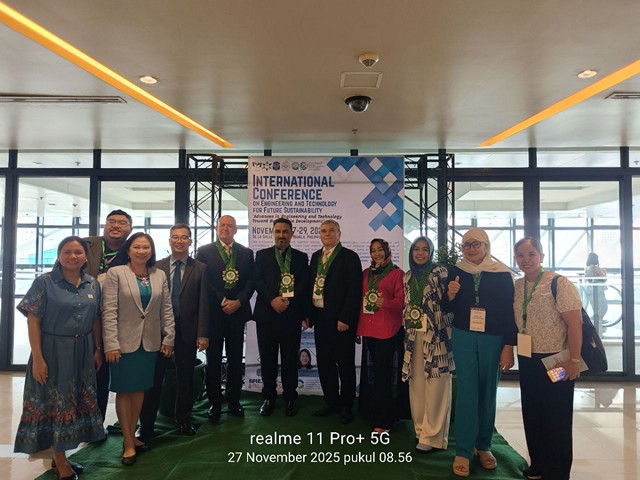
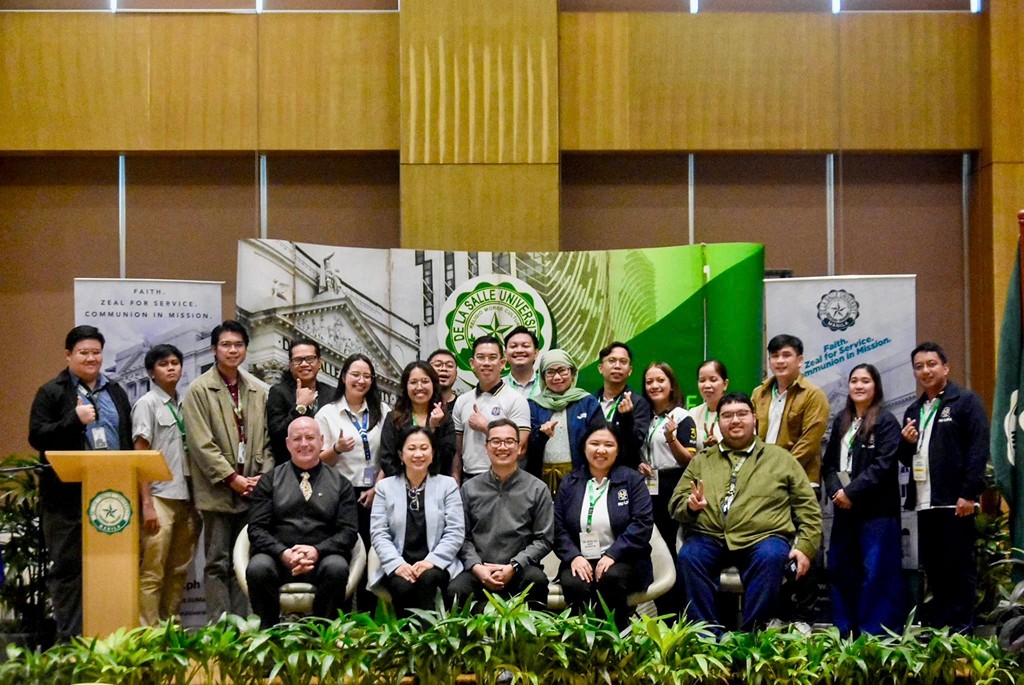
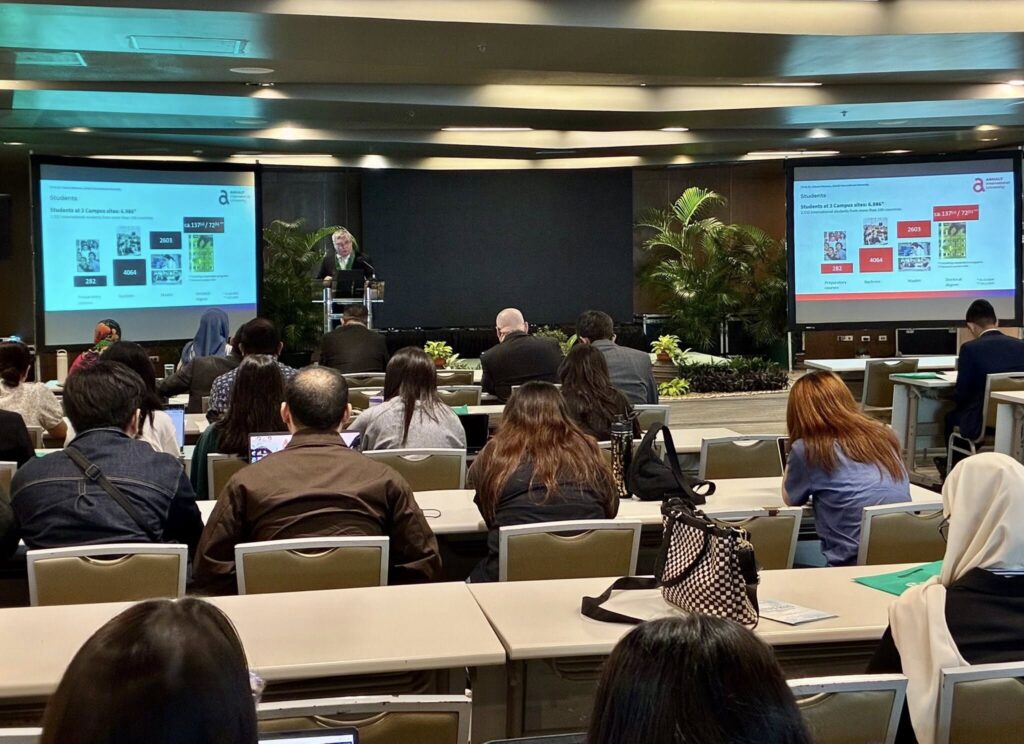
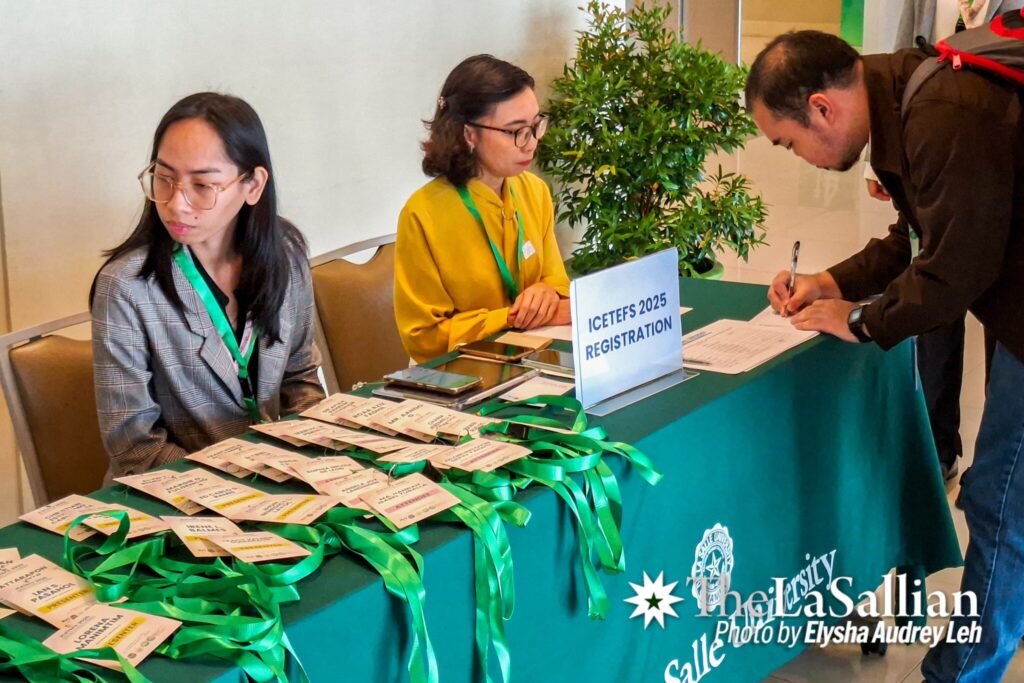
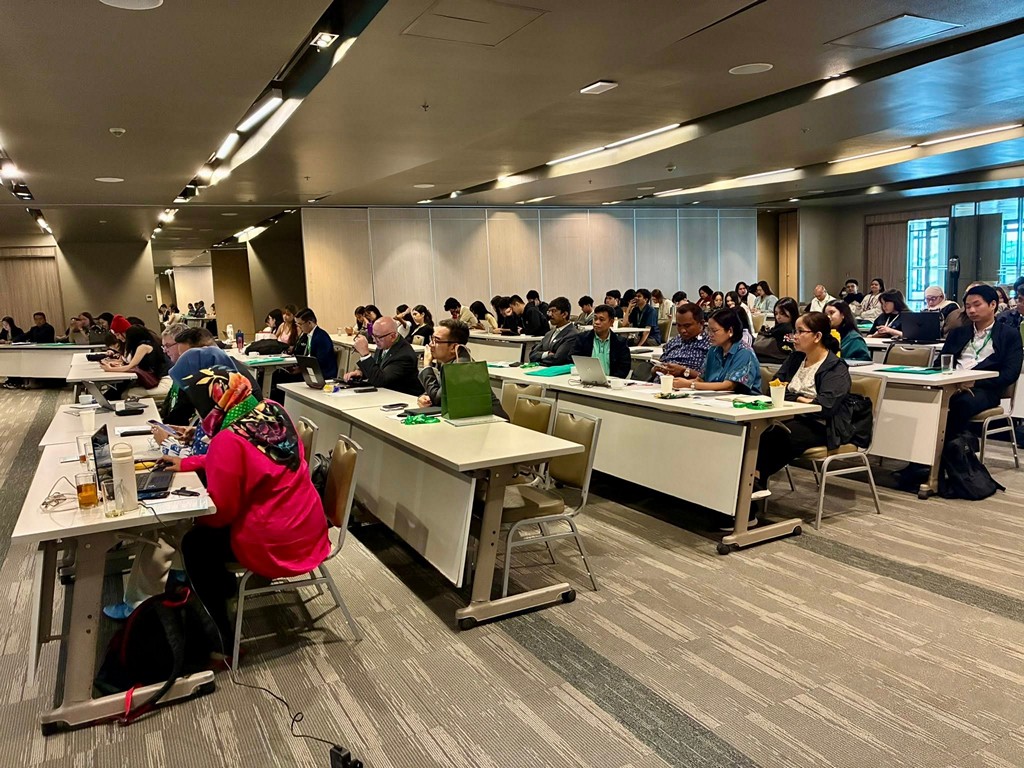
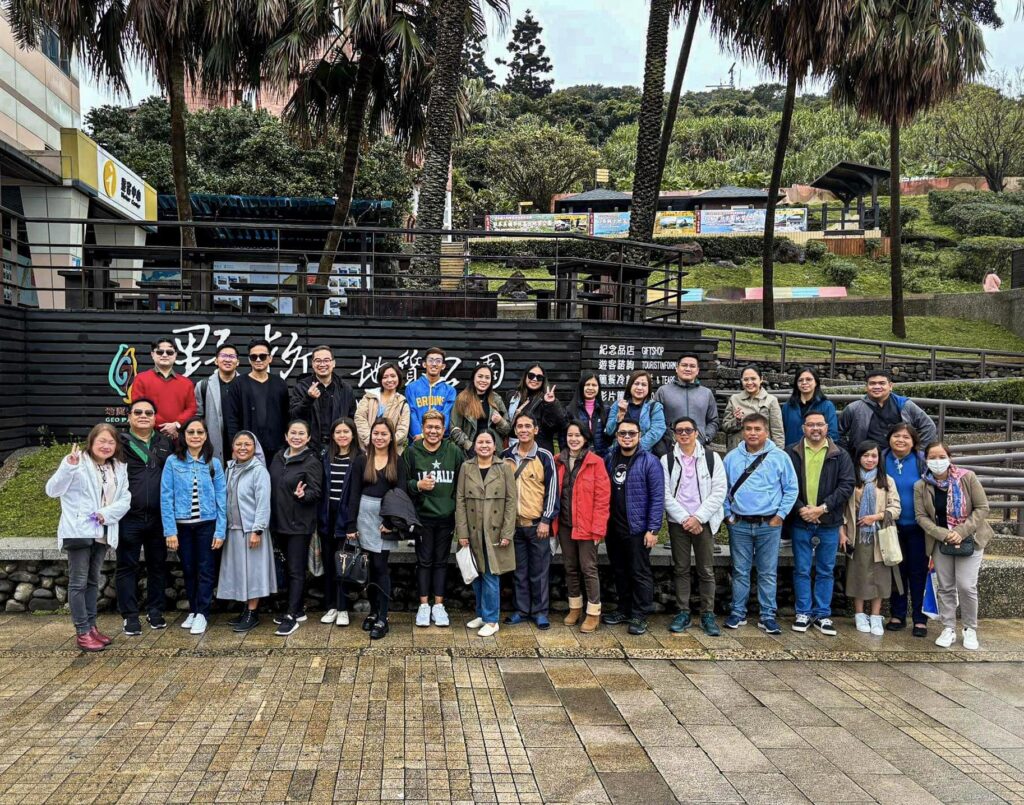
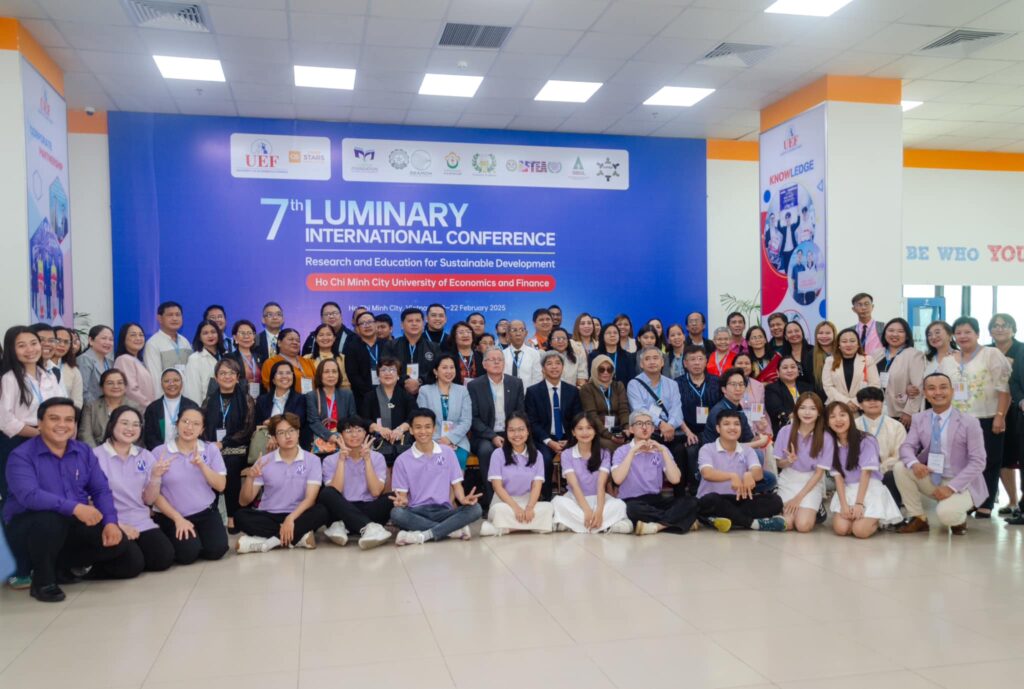
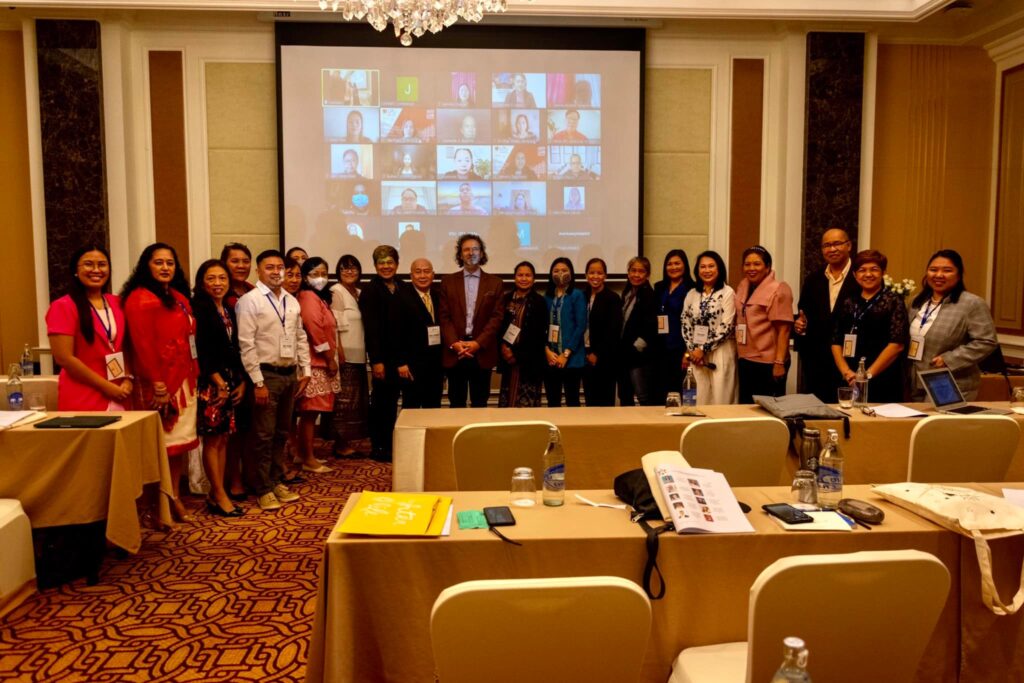
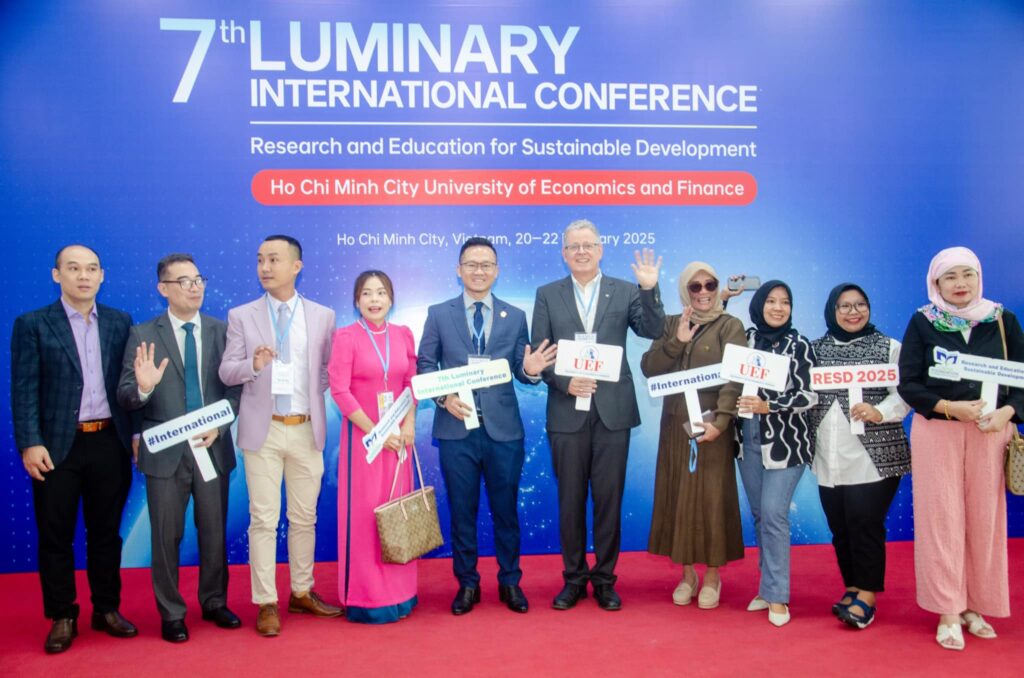
Our Last Conference Gallery
Conference Convenors
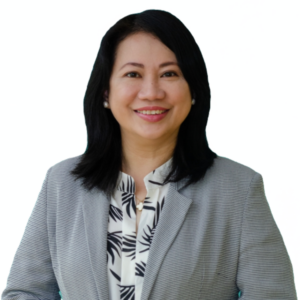
Prof. Dr. Fides del Castillo
De La Salle University
Philippines

Prof. Zahrotur Rusyda Hinduan
Universitas Padjadjaran
Indonesia
Keynote Speakers

Prof. Clarence Darro del Castillo
Lumina Foundation, Inc.
Philippines

Dr. Gregory Ching
National Chengchi University
Taiwan
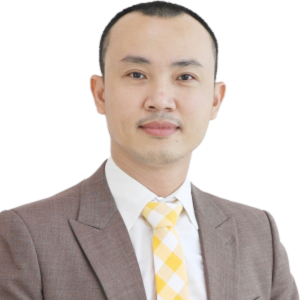
Dr. Phan Bao Giang
University of Economics and Finance
Vietnam
Call for Papers
1st International Conference on Education for Sustainable Development: Theories and Practices (ESDTP)
Sub-themes
Submissions are invited on, but not limited to, the following themes:
Track 1: Theoretical Frameworks and Conceptual Advances in ESD and SDGs
Track 2: Curriculum and Pedagogy for Sustainability Learning
Track 3: Digital Technologies, AI, and Sustainability Education
Track 4: Teacher Education and Professional Development for ESD
Track 5: Community-Engaged, Indigenous, and Place-Based Learning
Track 6: Policy, Governance, and Systemic Transformation
Track 7: Equity, Ethics, Power, and Inclusion in Sustainability Education
Track 7: Assessment, Evaluation, and Impact Measurement in ESD
Conference Fee
Payment Details:
Bank Name: Bank of the Philippine Islands (BPI)
Account Name: Lumina Foundation for Integral Human Development, Inc.
Account Number: 233 1000 232
Swift Number: BOPIPHMMXXX
Mobile Number: +639708363594
City: Calamba City
Country: Philippines
| Conference Participation Plan | HS/ UG Student | Professional / International |
|---|---|---|
Attend The Conference ( Certificates only) | $40 (Online)$60 (In-Person) | $80 (Online)$160 (In-Person) |
Attend The Conference ( Poster Presentation) | $50 (Online)$80 (In-Person) | $100 (Online)$180 P(InPerson) |
(Participate in Research Paper (Proceeding Publication ) | $250 (Online)$300 (InPerson) | $300 (Online)$350 (InPerson) |
Conference Publications
The proceedings of the 1st International Conference on Education for Sustainable Development: Theories and Practices (ESDTP) will be formally published by
(Under Approval)
Conference Indexation
The Conference Proceedings are “open access”, that is, all content is free and freely available to the user or his/her institution. Users are allowed to read, download, copy, distribute, print, search, or link to full papers or use them for any other lawful purpose without prior permission from the publisher or author.
Indexed in:





Conference Committees
| Conference Committee Position | Full Name | Affiliation |
|---|---|---|
| General Chair | Dr. Fides del Castillo | De La Salle University, Philippines |
| Dr. Phan Bao Giang | University of Economics and Finance, Vietnam | |
| Prof. Zahrotur Rusyda Hinduan | Universitas Padjadjaran, Indonesia | |
| Program Chair | Mr. Clarence Darro del Castillo | Lumina Foundation, Inc |
| Prof. Cristina Macascas | Philippine Normal University, Manila, Philippines | |
| Conference Patrons | Network of Professional Researchers and Educators | |
| Consortia Academia | ||
| University of Economics and Finance | ||
| Financial Chair | Ms. Pearl Policarpio | Lumina Foundation, Inc. |
| Steering Committee | Dr. Fernando Santiago Jr | De La Salle University, Philippines |
| Dr. Sri Rezeki, SE.M.Si | STIE Eka Prasetya, Indonesia | |
| Dr. David Tneh | Universiti Tunku Abdul Rahman, Malaysia | |
| Dr. Anh Huỳnh Tú | University of Economics and Finance, Vietnam | |
| Technical Program Committee | Mr. Renniel Jayson Jacinto Rosales | De La Salle University, Philippines |
| Ms. Mica Isles | Lumina Foundation, Inc. | |
| Organizing Committee | Dr. Imelda G. Carada | Laguna State Polytechnic University, Philippines |
| Dr. Giang, Bảo | University of Economics and Finance, Vietnam | |
| Dr. Rose Ann D.P. Aler | Camarines Norte State College, Philippines | |
| Dr. Muthmainnah | Universitas Al Asyariah Mandar, Indonesia | |
| Publicity Committee | Dr. Radji Macatabon | University of Southern Mindanao, Philippines |
| Dr. Cynthia Lau Pui Shan | Universiti Tunku Abdul Rahman, Malaysia | |
| Dr. Anesa P. Mangindra | Sultan Kudarat State University, Philippines | |
| Dr. Catalina M. Canasa | Cebu Normal University, Philippines | |
| Publication Committee | Dr. Gregory Ching | National ChengChi University, Taiwan |
| Dr. Ahmed J. Obaid | Kufa University, Iraq | |
| Dr. Fe A. Varona | Cebu Technological University, Philippines |
Participating Countries

Conference Organizer
Lumina Foundation for Integral Human Development, Inc.
Lumina Foundation for Integral Human Development, Inc. is located at Calamba City, Province of Laguna, Philippines.

Universitas Padjadjaran
Universitas Padjadjaran is located in Indonesia
University of Economics and Finance
University of Economics and Finance is located in Malunda, Indonesia
De La Salle University – South East Asian Research Center and Hub
The Southeast Asia Research Center and Hub (SEARCH) is based in De La Salle University, Philippines.
About the Organizers
Lumina Foundation for Integral Human Development
Founded in 2016 under the leadership of Mr. Clarence del Castillo, MBA, Lumina Foundation for Integral Human Development, Inc. was established as a beacon of transformative learning and community engagement. Recognizing the need to bridge academic research with real-world impact, the foundation was conceived as a non-stock, non-profit organization dedicated to supporting individuals in their scholarly pursuits and fostering meaningful community partnerships. From its inception, Lumina Foundation has served as a catalyst for intellectual growth and social innovation. It provides scholars, researchers, and practitioners with opportunities to present their work at international conferences and publish in refereed academic journals, ensuring that knowledge is not only generated but also disseminated for the benefit of society. Through its initiatives, the foundation seeks to create a dynamic platform where ideas flourish, collaborations emerge, and solutions to contemporary challenges are explored. At the heart of Lumina Foundation’s mission is the unwavering commitment to unlocking the full potential of human flourishing. It aspires to empower individuals, organizations, and communities by equipping them with the necessary tools, knowledge, and resources to thrive in an ever-changing global landscape. (Source: https://lumina-foundation.com/history/)
Universitas Padjadjaran
Universitas Padjadjaran, commonly known as Unpad, is one of the public universities in Indonesia. Unpad was established on September 11th, 1957, with its campus located in Bandung. Currently, Unpad holds the status of a Legal Entity State University. Government Regulation Number 80 of 2014 concerning the Designation of Unpad as a Legal Entity State University was signed by the President of the Republic of Indonesia, Susilo Bambang Yudhoyono, on October 17, 2014. After that, the Government Regulation Number 51 of 2015 concerning the Statute of Padjadjaran University was signed by the President of the Republic of Indonesia, Joko Widodo, on July 22, 2015.
University of Economics and Finance
Ho Chi Minh City University of Economics and Finance was established on 24th September, 2007 by No. 1272 / QD-TTg Decision of the Prime Minister. UEF aims to become Vietnam’s leading university and achieve international academic standards, based on philosophy: Quality – Efficiency – Integration.
UEF’s consistently aims at achieving high standards in higher education by adapting the world’s best expertise to the local context of change and economic integration, focusing on providing specialized training in Ho Chi Minh City University of Economics and Finance in order to meet the country’s increasing needs for high quality human resources.
De La Salle University – South East Asian Research Center and Hub
The Southeast Asia Research Center and Hub (SEARCH) is based in De La Salle University. Its mission-vision is to become a cutting-edge research center and networking hub that addresses regional concerns; and serves as a social advocacy arm for De La Salle Philippines. Its role is to generate Southeast Asian research, collaborate with specialists, network with other centers and institutes of Southeast Asian Studies, provide resource materials, and serve as a hub for all matters concerning Southeast Asia. Its goal is to be a research center of, for and by Southeast Asians.
Conference Venue
📌Hanoi, Vietnam
Hanoi is the capital of Vietnam, a city blending over a millennium of history with vibrant modern life, home to 8.8 million people and rich cultural landmark.
Contact and Submission Information
For submission details and inquiries, please contact:
npre.inc@gmail.com
Hanoi is the capital of Vietnam, a city blending over a millennium of history with vibrant modern life, home to 8a.8 million people and rich cultural landmark.
Our Conference Venue




Conference Guidelines
Registration Guidelines
-All registrations include admission to all technical sessions and the E-proceedings.
-At least one author must register to include the paper in the conference.
-Please note that a paper will be considered for presentation/publication only when at least one full registration is received against that paper.
-Any accepted paper included in the final program is expected to have at least one author attend and present the paper at the conference.
-The allowable pages in the camera-ready paper are 6-10 pages.
-There will be no refunds of registration fees under any circumstances once a paper is accepted and registered by the authors.
-The publication partner reserves the right to exclude any paper from the publication if it does not meet their quality standards. add registration
You may Register via: https://tinyurl.com/ICETEFS
Submission Guidelines
Abstracts (250–300 words) should clearly state the research problem, methodology, key findings (or expected outcomes), and relevance to ESD and the SDGs. Submissions must demonstrate originality, scholarly rigor, and relevance to the conference themes.
All submissions will undergo a peer-review process. Selected papers may be considered for publication in a special issue on Education for Sustainable Development: Theories and Practices.
Conference Objectives
• To advance interdisciplinary dialogue on ESD theories and practices
• To showcase innovative and context-responsive sustainability education models
• To foster regional and international research collaborations
• To contribute to SDG-related educational policy and practice
• To promote ethically grounded and socially responsive approaches to sustainabilityTarget Participants
• Academics and researchers in education, social sciences, and humanities
• School leaders and teachers
• Policymakers and development practitioners
• Graduate students and early career researchers
• Community leaders and civil society organizations
-Simultaneous submission means where the same manuscript is submitted to multiple conferences at the same time. We do not encourage authors to go for simultaneous submissions. TPC’s decision will be final in such cases.
-Papers with maximum 20% similarity report will be considered for the review process (excluding Bibliography)
-Formatting instructions for all papers: they must be written in English and use standard single column conference templates. Only PDF files will be accepted for the review process. We will follow a double-blind review process.
-All papers will go through a rigorous, double-blind reviewing process. At least one author of an accepted paper will have to register at the conference (full registration required) in order to submit the final version. All papers accepted and presented at the conference will be submitted to further publication.
-The manuscript must be in English and must follow single column format with single-spaced, ten-point font in the text.
-Authors MUST submit their papers electronically using Microsoft CMT service
-The Microsoft CMT service was used for managing the peer-reviewing process for this conference. This service was provided for free by Microsoft and they bore all expenses, including costs for Azure cloud services as well as for software development and support. Agreement accepted
Peer Review Policy
-The ICETEFS-2025 conference review process follows a double-blind review. The plagiarism check committee initially verifies the submitted paper for plagiarism using the iThenticate plagiarism detection tool. A maximum of 20% similarity with proper citations is permitted before initiating the review process.
-Each paper will be reviewed by a minimum of three reviewers, all of whom are subject experts. A maximum of 3 papers will be assigned to a single reviewer.
-The papers will be selected based on technical quality, relevance to the theme of the conference, originality, significance, and clarity. Those papers that undergo a double-blind peer review process shall be considered for publication in the conference proceedings. The review process will be organized by a strong team of both national and international technical committee members with specialized fields of expertise.
-The Microsoft CMT service was used for managing the peer-reviewing process for this conference. This service was provided for free by Microsoft, and they bore all expenses, including costs for Azure cloud services as well as for software development and support. Agreement accepted.
-The following is the acceptance criteria for papers in the First International Conference on Engineering, Technology, and Education for a Sustainable Future (ICETEFS).
-The paper’s relevance to the conference’s themes: The authors have to make sure that the paper relates to the conference’s core themes or any other works within the scope of conference domains. Ideally, the paper should address the issues, the works, or the advancements in these areas.
-Originality and Innovation: The submissions have to be completely original works that are not published or under review elsewhere. Moreover, submissions must present some novel ideas, methods, or applications within their domains.
-Technical Depth and Contribution: The paper must present some technical in-depth work and also some substantial contribution to the field, such as the proposed methods, frameworks, or systems that must be well-delineated, and it should advance or improve the existing work.
-Methodology and Validation: The research methodology must be very robust and well described, and it should be suitable for the study, and the research results must be verified.
-Clarity of Presentation: The paper should be very well structured with a good introduction, literature review, methodology, results, discussions, and a conclusion. It should be very well-written with minimum grammatical errors, and it should be comprehensible to the conference’s target audience.
-Ethical Consideration: It must consider the Ethical considerations, especially for sensitive topics such as AI, healthcare, and data privacy, etc., and it should follow the Ethical guidelines, for example, providing good citations and not writing a biased report.
-Comprehensive literature: It should contain a comprehensive literature survey identifying the gaps in the existing literature, and how the proposed work fills those gaps, and have proper citation and references as per the conference template.
-Quality of result and analysis: The quality of the result has to be provided with different graphs, charts, tables, or visual tools to present the results. The analysis has to be done efficiently to give more insights from the result, and also state the limitations of the result.
Submission Guidelines
As the final process, all the submissions must adhere to the conference’s submission guidelines related to the page limit, font style, and other requirements and also should be submitted within the deadline specified.
To ensure the ethical quality of the submission, the reviewer follows the criteria below:
-Originality: Paper must be original and not plagiarized. All references should cite correctly and properly.
-Ethical Practice: Transparency related to the collection, use, and sharing of data. The author must disclose any potential conflict of interest.
-Data Integrity: Authors need to ensure the integrity of their data and methods. The paper should have accurate, reliable, unmanipulated data.
-Acknowledgment: Authors should be acknowledged, and credit should be given to funding sources, institutions or individuals, etc.
-Disclosure of Funding and Conflicts of Interest: The author must disclose any funding sources and any financial or nonfinancial conflicts of interest.
-Compliance with Conference Policies: Authors should follow conference policies. In the event of substantial ethical concerns, author agreement to publish corrections or retractions.
Reviewers will give Suggestions in three parts:
a. Mandatory changes/corrections
b. Possible modifications for betterment
c. Suggestions for extending the work in the future (for implementing while submitting in journal special issues of the conference)
The role of the reviewers will comprise:
- Strict and rigorous review process for papers received.
- Peer reviewers will identify and point out gaps in the concern paper that require explanation, additional work, or validation.
- Valid suggestions for authors of contributed papers for further improvement.
- Compromise will not be entertained in consideration or acceptance of the paper.
- Papers will be rigorously evaluated based on novelty, significance, clarity, relevance, and repeatability.
Plagiarism Policy
Before submitting a paper, authors must check for plagiarism using licensed plagiarism detection software such as Turnitin or iAuthenticate.
The amount of similar content should not exceed 20%, whether it is the author’s own work or someone else’s (excluding the references section).
Additionally, authors must adhere to ethical guidelines for publication, including avoiding self-plagiarism or plagiarism from other sources.
If a model, concept, figure, table, data, or conclusive comment from previously published work is used in the article, a proper citation to the original work is necessary.
If a high level of plagiarism is detected at any stage, the paper may be rejected for publication, and no refund or adjustment of fees will be provided.
If authors use already published material such as tables, data, figures, or diagrams from their own or others’ publications, they must obtain the necessary permission and copyright clearance from the original publishers or copyright holders.
The Microsoft CMT service was used to manage the peer-review process for this conference. This service was provided free of charge by Microsoft, which covered all expenses, including costs for Azure cloud services, as well as software development and support.
Contact Information
Email Address:
npre.inc@gmail.com
Contact Number:
+639708363594
Mailing Address:
#1725 Lumina Montessori Building
Palo Alto, Calamba City, 4027
Laguna, Philippines